

If you have an existing wood-burning fireplace in your home, you may be considering upgrading to a more modern and efficient gas or electric option. Both gas and electric fireplaces offer distinct advantages over traditional wood-burning models, from improved energy efficiency to easier maintenance. In this blog post, we'll guide you through the process of converting your wood fireplace, exploring the steps, considerations, and the pros and cons of each conversion option.

Overview of Wood, Gas, and Electric Fireplace Options
Wood-burning fireplaces have long been a classic feature in many homes, providing a cozy ambiance and supplemental heat. However, they can be less efficient, require more maintenance, and produce more particulate emissions compared to gas or electric alternatives.
Gas fireplaces offer a more controlled and efficient heating source, with the ability to easily adjust the flame and heat output. They also eliminate the need for wood storage and cleaning up ashes.
Electric fireplaces, on the other hand, provide a hassle-free and convenient solution, as they don't require any venting or gas lines. They can be easily installed and integrated into your existing fireplace opening, and often offer a wide range of customization options.
Reasons to Consider Converting Your Wood Fireplace
There are several compelling reasons why you might want to convert your wood-burning fireplace to a gas or electric option:
- Improved energy efficiency and cost savings
- Reduced maintenance and cleaning requirements
- Safer operation with fewer fire hazards
- Better control over heat output and flame adjustability
- Opportunity to update the look and integrate with your home's decor
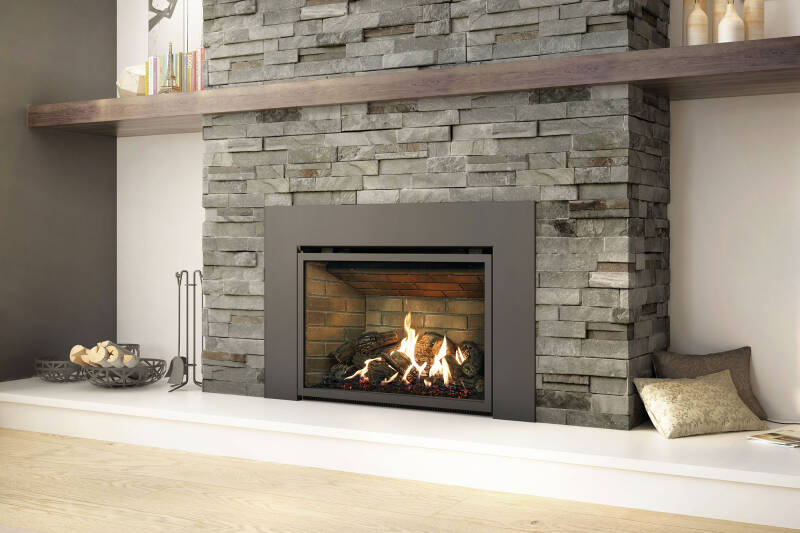

Steps to Convert a Wood Fireplace to Gas
Assessing Feasibility and Safety
Before embarking on a gas fireplace conversion, it's crucial to have a professional assess the feasibility and safety of the project. They will evaluate your existing fireplace, chimney, and surrounding structure to ensure that a gas fireplace can be safely installed and operated.
Hiring a Professional Installer
Converting a wood fireplace to gas is a complex process that requires the expertise of a licensed and experienced professional. They will handle the necessary gas line installation, venting, and integration of the gas fireplace insert.
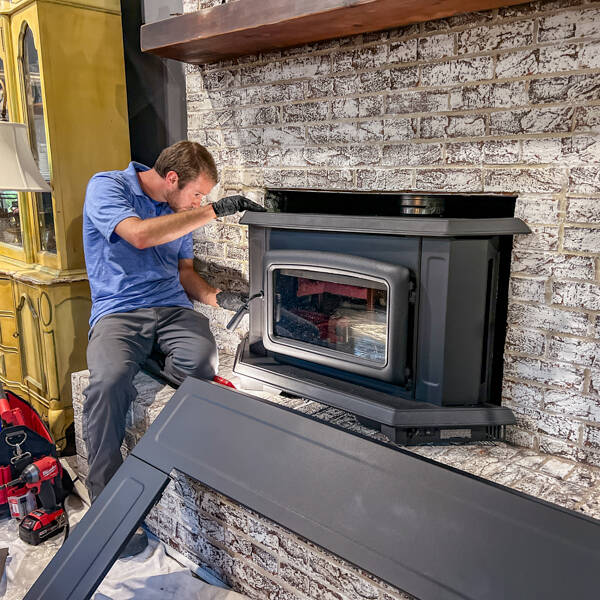
Gas Fireplace Insert Installation Process
The installation process typically involves removing the existing wood-burning components, measuring the firebox, and then fitting a gas fireplace insert into the existing opening. The insert is then connected to the gas line and properly vented.
Steps to Convert a Wood Fireplace to Electric
Pros and Cons of Each Conversion Option
Evaluating Your Existing Setup
When converting to an electric fireplace, it's important to carefully assess your existing wood-burning fireplace and its dimensions. This will help you select the right-sized electric fireplace insert that will fit seamlessly into the opening.
Electric Fireplace Insert Installation
The installation of an electric fireplace insert is generally simpler than a gas conversion. The insert is designed to fit directly into the existing wood-burning fireplace opening, and only requires a standard electrical outlet for power.
Electrical Requirements and Considerations
Depending on the size and power requirements of your electric fireplace insert, you may need to upgrade your home's electrical system to ensure sufficient power supply. This is something to discuss with a qualified electrician.
Gas Fireplace Conversion:
Pros: Authentic flame, efficient heating, adjustable heat output
Cons: Higher upfront costs, complex installation, requires gas line and venting
Electric Fireplace Conversion:
Pros: Easier installation, no venting required, lower upfront costs
Cons: May not provide the same level of heat output as gas, dependent on electrical power

Tips for a Successful Wood Fireplace Conversion
- Hire licensed and experienced professionals to handle the conversion process
- Carefully measure the existing fireplace dimensions to ensure a proper fit
- Consider the electrical or gas infrastructure requirements and make necessary upgrades
- Explore design options to seamlessly integrate the new fireplace insert with your décor
- Maintain the converted fireplace according to the manufacturer's recommendations
By understanding the steps, considerations, and benefits of converting your wood-burning fireplace to a gas or electric option, you can make an informed decision that will enhance the comfort, efficiency, and aesthetic of your living space.
Add comment
Comments